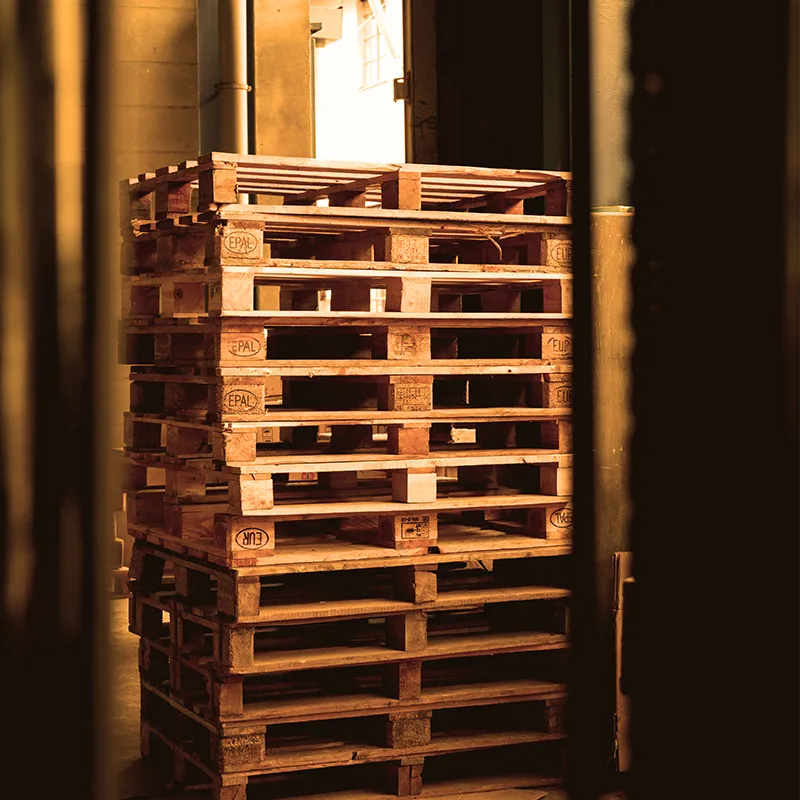
 iFurniture, food, apparel, tools. You make the product, we build the store and the sales system around it. Our furniture retailer case grew from $40k to $153k in sales.
01
Producers who sell direct
Sell without paying the marketplace margin.

ONLINE STORES · BUILD · REBUILD · RUN
One team handles online store development from the offer to the monthly report. It builds the store, brings the traffic and runs it. You get orders and a report.

Free audit first
REAL RESULTS FROM OUR PORTFOLIO
$153k
Furniture retailer: sales up from $40k
$138k
Auto parts retailer: profit up from $40k
2.2x
Auto parts: average order value, from 1.1 to 2.4
01 / WHY STORES DO NOT SELL
Online store development usually starts with design, and most owners judge a store by it. Buyers judge it by one question: can I trust this shop with my money? Design helps. The offer, the price and the proof decide.
We see the same pattern in old stores. Traffic arrives, but the cart stays empty. The catalog mirrors a supplier price list, the product cards copy the manufacturer text, and nobody owns the numbers.
Offer. Buyers cannot say in one sentence why this shop and not the next one. Without that sentence, price becomes the only argument.
Catalog. Categories follow the warehouse, not the way people search. Half of the pages cannot rank because they have no unique text and no clear intent.
Product page and checkout. Photos, delivery terms and reviews sit in the wrong place. Checkout asks for too much. Each extra field costs orders.
Numbers. Nobody knows the conversion rate, the cost of an order or the margin per category. Without them every decision is a guess.
A store that does not know its numbers is a hobby with a payment form.
Our work starts with these four leaks. We close them in the order that brings money fastest, then we measure the result every month.

02 / WHAT IS INSIDE
Online store development has eight parts. Hover or tap the i to read the detail of each part.
01
One sentence that explains why this shop, and the assortment that matches it.
02
A price for every category that covers costs and holds up against competitors.
03
Categories built from real search demand, with clean page addresses.
04
Cards with proof: photos, specifications, delivery, returns and reviews.
05
Fewer fields, clear delivery, the payment methods your buyers use.
06
Pages written to rank in Google and to be quoted by assistants such as ChatGPT and Gemini.
07
Abandoned carts, a welcome series and a reason to come back.
08
Updates, fixes, new pages and a report in plain numbers.
03 / HOW WE WORK
Online store development in five steps. You approve each one before the next begins.
Hover or tap the i to read the details.
04 / REBUILD OR BUILD NEW
Online store development does not mean throwing the old store away. Many stores keep years of trust, backlinks and customers. We decide with numbers: what the store earns today, what it can earn after fixes, and what a new build would cost.
The catalog is sound and orders arrive, but conversion is low. Fixes to the offer, product pages and checkout often give the fastest return.
The platform blocks changes, the site is slow, or the structure cannot hold new categories. We rebuild, move every product and redirect every old address.
You start a new line, a new brand or a store for another country. We begin with THE MODEL, so the first version already rests on your numbers.
On our own store 4KIDS we built 45 products in 6 categories and set 17 redirects from the old addresses. The same method protects your search visits.

05 / WHO IT IS FOR
iFurniture, food, apparel, tools. You make the product, we build the store and the sales system around it. Our furniture retailer case grew from $40k to $153k in sales.
01
Sell without paying the marketplace margin.
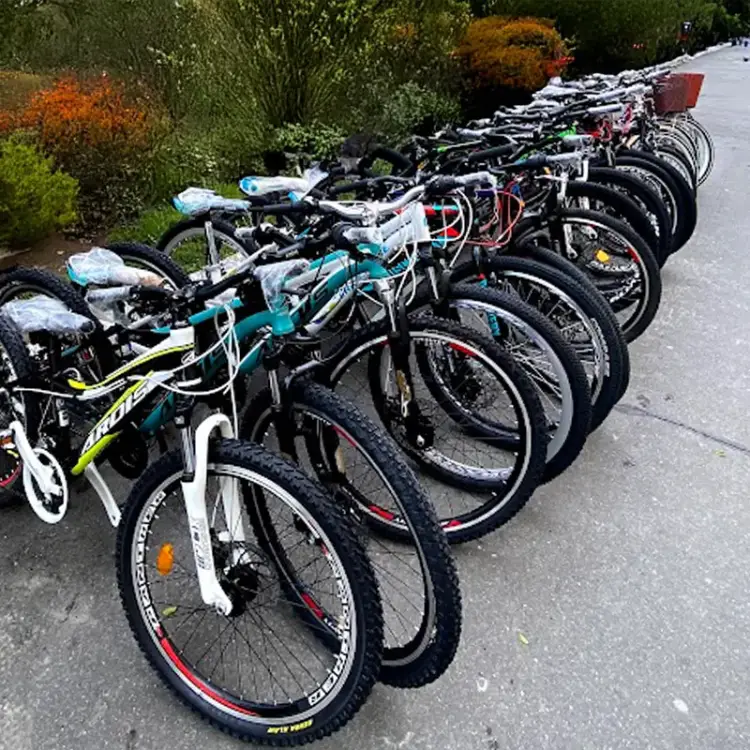 iYou have a shop and customers, but the online store brings few orders. For a bicycle retailer we found the leaks, built a new sales system and doubled sales.
02
Turn an old shop window into a sales channel.
 iMarketplaces take a fee and own the customer. A store of your own keeps the customer and the margin. We did this for digital downloads with 4KIDS, and wrote up the comparison.
03
Build your own store next to Etsy or Amazon.
06 / FOUND BY GOOGLE AND BY AI
Online store development now includes being found in AI answers. People ask assistants what to buy: which bike for the city, which stove for a small kitchen. An assistant quotes the pages that answer clearly and that other sources confirm.
Answer-first pages. Each category and guide opens with a short direct answer, then the detail. Google and assistants take that answer.
Structured data. Product, price, stock, rating, FAQ and organization data in a form machines read without guessing.
Facts that match everywhere. The same name, address, prices and delivery terms on the site, in Google Business and in every directory.
Proof you can check. Real reviews, real photos, named authors and dates on every guide.
The store that answers best is the store the assistant names.
No one can promise a place in an AI answer. We can raise the chance and measure it: every month we ask the main assistants a fixed set of buying questions and report whether your store is named.

07 / PROOF
These online store development results come from our portfolio. Client names are private, the numbers are real.
Retail network, e-commerce and wholesale
iWe redesigned the business model for the whole network and for each store, adjusted pricing and launched the first neuromarketing project in Ukraine at a top Kyiv mall. The owner moved from a 5% loss to an 11% profit.Before: $40,000
After: $153,000
$153k
Sales. Owner: 5% loss to 11% profit
Sales and margins for a small business
iWe worked on team management, sales scripts, a new B2B sales model and ways to raise the average order value. Profit grew more than three times.Before: profit $40,000
After: profit $138,000
$138k
Profit. Average order value from 1.1 to 2.4
Bike shop and service center
iProductology, sales funnels, e-commerce and a new sales system with a team of three. Sales doubled, and net income reached 0.5M UAH a month, as much as the best month of sales before.Before: sales x1
After: sales x2
x2
Sales. Net income reached 0.5M UAH a month
“Top-notch work! They have a strong command of numbers, understand market trends, and take an individual approach to every product.”
Davyd Kohan, owner and CEO, Kohan Group
08 / COMPARE
09 / QUESTIONS
We fix the price in writing after the free audit, because it depends on the catalog size, the integrations and what you already have. The first step costs nothing, and you leave with a clear list of what to fix.
A rebuild of a store with a ready catalog is faster than a new build with product photos and texts. We give dates in the proposal after the audit and agree milestones with you.
Often yes. If the platform is sound and the catalog is workable, fixes to the offer, product pages and checkout bring orders faster than a rebuild. The audit shows which case you are.
We protect them: every old address gets a redirect to its new page, titles and texts that already rank stay, and we check Search Console after launch. We did this on our own store with 17 redirects.
WordPress with WooCommerce and the Breakdance builder. It is flexible, has no platform subscription and handles large catalogs. We also connect payment, delivery and CRM services.
Yes. The store comes with SEO pages, email flows and a traffic plan. For steady monthly work we offer Digital System: a funnel, an article, an info product, email and a report every month.
No one can promise that. We build the signals assistants use: answer-first pages, structured data, consistent facts and real reviews. Then we check a fixed set of questions every month and report the result.
Start with THE MODEL: niche, offer, price, funnel and a 13-month forecast for €1,000. It shows whether the store pays back before you pay for the site.
With the founder, Volodymyr Pimienov, who has 16 years of experience and more than 200 projects behind him, and with the team that builds and runs the store. On the free audit you talk to him directly.
10 / START
Pick the online store development step that fits where your store is today.
STEP 1
Free30 minutes
NEW STORE
€1,000one-time
BUILD AND RUN
Fixed priceafter the audit
READ NEXT
How to build a B2B offer and a go-to-market strategy: the offer logic behind every store we build.
Core Offer: the one sentence a stranger reads before deciding to reply: write it for your store in ten minutes.
Website subscription cost: Cab1 vs Wix, Squarespace, Tilda and an agency: if you need a simpler site first, order one by subscription at Cab1.
Sell digital downloads: own store (4KIDS) vs Etsy, Teachers Pay Teachers and Gumroad: how we run our own store.
Want to learn the methods yourself? Master Director has pre-recorded courses for owners.
More ways we help: B2B lead generation, business diagnostics and education marketing.
Start online store development with a free 30-minute audit. You talk to the founder, and you leave with one prioritized move.

Volodymyr Pimienov, founder. On the free audit you talk to him directly.